


Can a Child Recover from a Traumatic Brain Injury? What to Expect on the Road to Recovery
Traumatic brain injury is unfortunately one of the leading causes of disability in children. This leaves many parents wondering: can a child recover from a traumatic brain injury? With the appropriate management techniques, oftentimes a child can recover from a traumatic brain injury.
While children may sustain severe traumatic brain injuries, the majority of children (up to 90%) experience mild TBIs and recover well. While each traumatic brain injury is unique, resulting in differing effects and varying recovery outcomes, pursuing rehabilitation can help children achieve an optimal recovery.
Causes of Childhood Traumatic Brain Injury
A traumatic brain injury refers to acquired brain damage resulting from a blow to the head or body. There are many causes of pediatric traumatic brain injuries. Falls are the most common cause of traumatic brain injury in children under age 14, often occurring on a playground.
Compared with older children, babies and toddlers are more likely to experience traumatic brain injuries due to abuse, while adolescents have a higher likelihood of sports-related injuries. Motor vehicle accidents and bicycle accidents are also common causes of pediatric TBIs.
Secondary Effects of Childhood Traumatic Brain Injury
Secondary effects of pediatric TBI vary greatly depending on the location and severity of brain damage. Children most often experience mild traumatic brain injuries, or concussions. Common effects of mild traumatic brain injury in children include:
- Headache
- Dizziness
- Sensitivity to sound or light
- Fatigue
- Memory or concentration problems
- Irritability, anxiety, or depression
- Sleep difficulties
In addition to the list above, effects of moderate or severe traumatic brain injury in children include:
- Loss of consciousness, including coma or persistent vegetative state
- Slurred speech
- Motor impairments, including difficulties walking, decreased coordination, spasticity or weakness
- Seizures or convulsions
- Behavioral changes
- Cognitive deficits
Of note, some secondary effects of traumatic brain injury in infants or toddlers may not become apparent until the child develops further. Since memory, attention, language, and behavioral skills are underdeveloped in young children, deficits in these areas are often overlooked initially.
When to Seek Medical Attention
If you suspect your child may have a traumatic brain injury, it is essential to seek medical attention. Signs that you need emergency medical care include:
- Worsening, persistent headache
- Weakness, numbness or decreased coordination
- Convulsions or seizures
- Vomiting repeatedly
- Slurred speech
- Unusual behaviors, confusion or irritability
- Differences in pupil size
- Loss of consciousness
In addition to the above signs, infants who refuse to nurse or eat or who are crying excessively and inconsolably should also be seen immediately.
Emergency medical care is essential to ensure the brain and body are stable. This care may include testing for physical, verbal and eye gaze responses, ensuring an appropriate amount of oxygen is reaching the brain, and managing intracranial pressure.
How to Optimize Recovery

Once a child is considered medically stable, they often are discharged home to continue their journey toward recovery. This is an excellent time to pursue therapy and other treatments to optimize a child’s recovery from traumatic brain injury.
Although the brain has been damaged, it is able to rewire itself to move affected functions to healthy areas of the brain using a process called neuroplasticity. Repetitively practicing exercises and activities related to affected functions can promote neuroplasticity and optimize recovery.
It is important to note, however, that sometimes children are unable to overcome the secondary effects of their traumatic brain injury. In this case, they are often encouraged to utilize compensatory strategies and accommodations.
Management Techniques
Depending on the child’s age, severity of injury, and the secondary effects experienced, the following treatment techniques may be used:
Physical Therapy
Physical therapy focuses on promoting proper movement patterns, strength, balance and coordination. A physical therapist may use stretches, strengthening exercises, gait training, and hands-on techniques to help children improve their movements. They may also be able to use specialized techniques to assist with headaches and dizziness.
Occupational Therapy
Occupational therapy centers around empowering children to be as independent as possible (and developmentally appropriate). They use activities and exercises focused on helping children with daily tasks, such as getting dressed, making their lunch, or writing. Occupational therapists also address sensory concerns. When children have difficulties recovering functionally, occupational therapists may encourage compensatory strategies, such as using adaptive equipment.
Speech Therapy
Speech therapy is essential not only for children who experience speech delays or impairments after TBI, but also for those with eating and cognitive difficulties. A speech therapist may use exercises to strengthen the oral motor muscles for speaking, chewing, and swallowing. Additionally, they can introduce strategies for improving cognitive skills, such as attention, problem solving, and memory.
Mental Health Support
Psychotherapy and/or social work can be helpful in learning coping techniques for emotional or behavioral changes following traumatic brain injury. They may use individual or group treatments to encourage emotional regulation and appropriate behaviors.
Rehabilitation Process for Children with Traumatic Brain Injury
Depending on child’s age and needs, these treatments may be administered in the home, at an inpatient center or outpatient clinic, or in school. Professionals oftentimes try to make treatments engaging and interactive, incorporating games and challenges into interventions. This not only boosts a child’s participation in therapy, but also encourages them to perform more repetitions of affected functions, which promotes neuroplasticity.
If a child has secondary effects that affect their participation in school, they may benefit from an Individualized Education Program (IEP). This plan may include therapy services needed to succeed in a school setting, as well as accommodations that can be used in the classroom and throughout the school. Some example accommodations that children could benefit from following a traumatic brain injury include extra time on assignments or utilizing a quiet workspace in another room for tests.
Factors Affecting Recovery
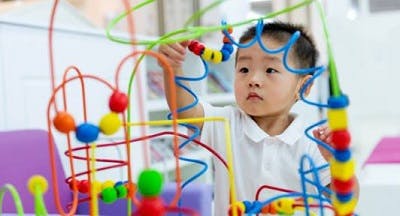
While it is impossible to predict the timeline for a child to recover from a traumatic brain injury, there are some factors that come into play.
Generally, children who have less severe traumatic brain injuries are able to recover more quickly. Children often recover from mild traumatic brain injuries within weeks to months. When effects last longer than this, as is the case for 10 to 30% of children, it is referred to as persistent post-concussion syndrome. Of children with moderate or severe traumatic brain injuries, approximately 62% will experience long-term effects.
Children who sustain their injuries at a younger age often have more challenges in recovering than those who are older. Younger children are at a critical stage of brain development. Sustaining a traumatic brain injury can significantly disrupt this development, making recovery more difficult.
Can a Child Recover from a Traumatic Brain Injury?
Many children recover from traumatic brain injury each year. Recovery outcomes vary based on severity and the child’s age at the time of injury. While not all children recover fully, pursuing therapy to promote neuroplasticity is an excellent way to optimize recovery
Keep it going: Do you know these 15 essential TBI recovery tips?
If you like our content, you’ll love our ebook and newsletters! Get instant access to our TBI recovery tips ebook with 20 pages of helpful advice by signing up below.
You’ll also receive our emails that share survivor stories and more useful TBI recovery tips, which you can opt out of at any time. (We know you’ll love them, too.)
We will never sell your email address, and we never spam. That we promise.