


Excessive Sweating After Head Injury: Causes, Symptoms, and Treatments for Hyperhidrosis

The part of the brain most responsible for regulating body temperature is the hypothalamus. This structure contains heat-sensitive neurons that signal to the hypothalamus whether the body is too hot or too cold.
If the hypothalamus detects excess heat, it will trigger the body’s cooling measures. These cooling responses include:
- Activating sweat glands
- Increasing water retention
- Dilating blood vessels
When the hypothalamus is damaged, this process no longer works properly, which can cause the hypothalamus to think the body is overheating when it is not. When certain parts of the body start sweating more than they should, doctors call this hyperhidrosis.
Other causes of hyperhidrosis include thyroid dysfunction and anxiety disorders. Some medications such as propranolol for high blood pressure can also trigger increased sweating.
Symptoms of Hyperhidrosis
The signs of hyperhidrosis include:
- Clammy or wet hands and feet
- Frequent sweating
- Sweat that soaks through clothing
People with hyperhidrosis usually experience certain side effects as a result of their sweating, such as:
- Irritating skin problems
- Anxiety
- Reluctance to make physical contact
- Self-consciousness and depression
Fortunately, excessive sweating can be effectively treated.
Treating Excessive Sweating After Head Injury
There are several ways to manage sweating after head injury. Some of these treatments are as simple as changing your daily habits, while others require the help of a doctor.
Antiperspirants

While deodorants do not stop sweat from forming, antiperspirants do. If your condition is not too severe, using an antiperspirant spray might be enough to get your sweating under control.
If regular antiperspirants don’t seem to have an effect, there are prescription-strength antiperspirants that contain aluminum chloride, which plugs the sweat glands. Ask your doctor if prescription antiperspirants are safe for you.
Clothing changes
Sometimes simply changing your clothing material is enough to manage your sweating. Some changes you can make include:
- Armpit shields. These pads worn under the armpit prevent sweat from soaking the shirt. While they won’t reduce perspiration, they might allow you to avoid having to worry about changing shirts.
- Loose clothing. Synthetic materials such as nylon can worsen symptoms. Try wearing loose, breathable clothing instead.
- Thick socks. To prevent sweat from ruining your shoes, wear thick, soft socks made of natural materials. These are better at absorbing moisture.
If none of these treatments work, you may need more intensive treatments.
Iontophoresis
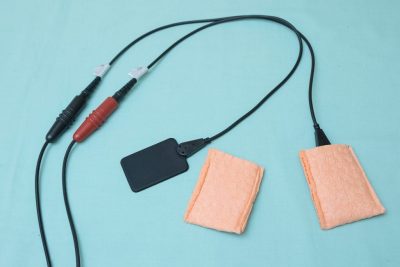
With iontophoresis, a device delivers mild electrical currents while your hands or feet are submerged in water. The current passes through the water into the skin, disabling the sweat glands underneath.
Doctors have used iontophoresis to treat hyperhidrosis since the 1940s. For people with extreme sweating on the hands, it is especially effective, with one study showing that it reduced perspiration by 92 percent.
There are no significant side effects to iontophoresis, and benefits are long-term as long as you keep up the maintenance schedule (usually once per week).
If hyperhidrosis affects other body parts besides your hands and feet, your doctor can hook up pads to let the current reach those areas. Iontophoresis is recommended for people who have already tried prescription antiperspirants and need something stronger.
Botox Injections

Botox is another effective treatment for excessive sweating after head injury. The natural protein found in Botox temporarily blocks the secretion of the chemical messenger that triggers the sweat glands. By doing this, Botox effectively shuts down sweating in the area where it is injected. Botox’s effects can take up to two weeks to fully appear but will last between four to twelve months.
Studies have shown that Botox can result in an 87 percent decrease in underarm sweating and a 90 percent decrease in palm sweating. It also does not cause compensatory sweating in other body parts, unlike some other treatments. All this makes Botox one of the best treatments for hyperhidrosis.
Medications
Besides Botox and iontophoresis, there are a few oral medications that can help patients manage excess sweating. These medications are best suited for patients who have generalized hyperhidrosis i.e. excessive sweating over their entire body.
The most common medications used to treat hyperhidrosis include:
- Anticholinergics
- Beta-blockers
- Benzodiazepines
However, unlike the other treatments listed, these meds can have serious side effects. Therefore, make sure you consult with your doctor before starting any of them.
How to Manage Excessive Sweating After Brain Injury
Hyperhidrosis after head injury is a frustrating condition that many people suffer from. However, it is very treatable. Too often, patients will go years before seeking help for their increased sweating. But there is no need to wait.
You can start seeing improvements as soon as you begin treatment. We hope this article helps you find the best ways to manage your sweating after brain injury.
Keep it going: Do you know these 15 essential TBI recovery tips?

If you like our content, you’ll love our ebook and newsletters! Get instant access to our TBI recovery tips ebook with 20 pages of helpful advice by signing up below.
You’ll also receive our emails that share survivor stories and more useful TBI recovery tips, which you can opt out of at any time. (We know you’ll love them, too.)
We will never sell your email address, and we never spam. That we promise.